The second release from OneField – Citizens Lens takes a closer look at one of the most significant changes taking place in Freetown: how people get their news.
News consumption is changing rapidly. Social media platforms are increasingly replacing traditional channels as the primary way residents discover, follow and engage with information.
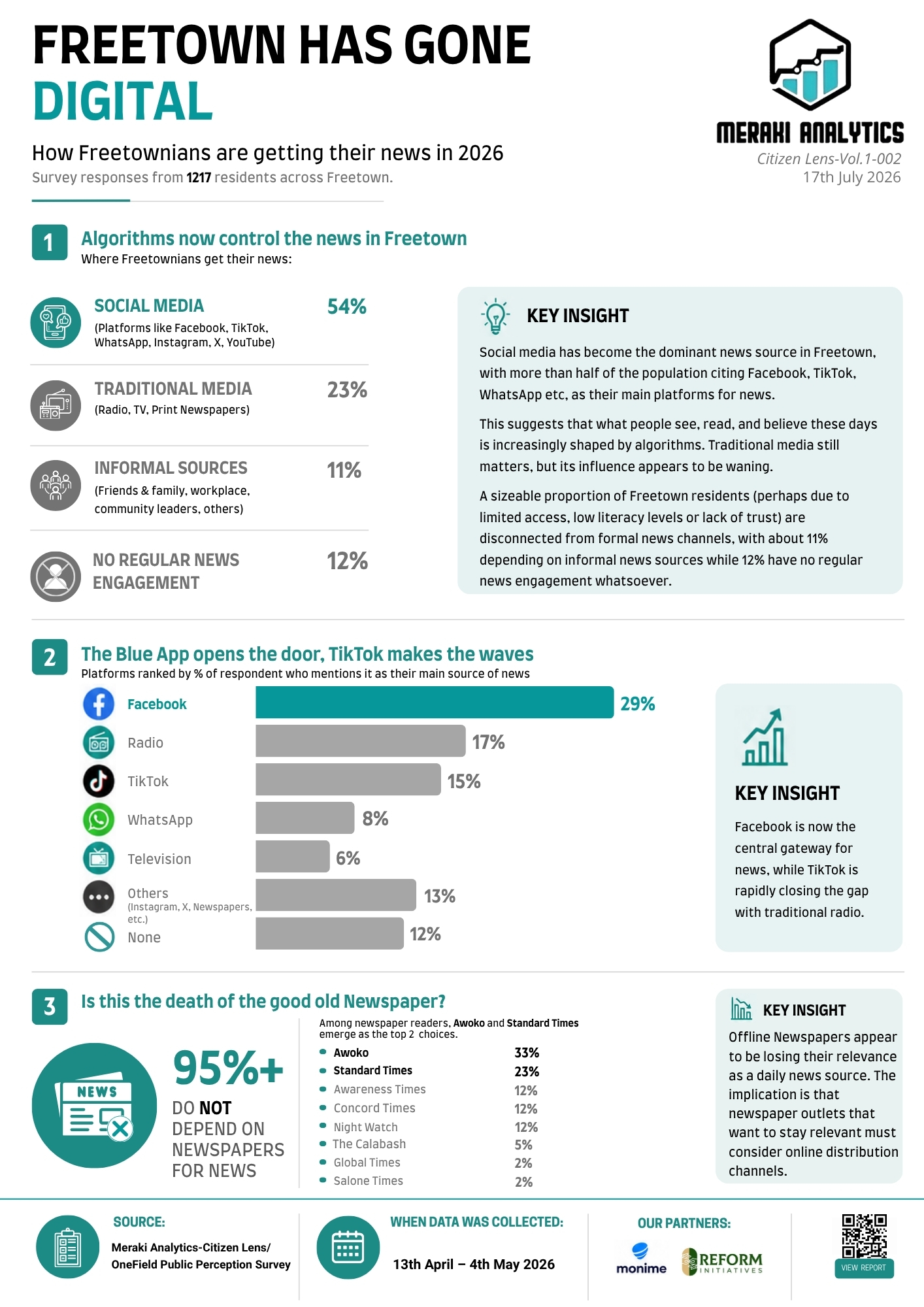
Based on the Citizens Lens survey of residents across Freetown, 54% of respondents rely primarily on social media for news, compared with 23% who rely on traditional media such as radio, television and print newspapers.
The findings point to a city undergoing a clear digital transition — one that has important implications for government communication, businesses, media organizations and the wider information environment.
Social Media Now Leads the News Landscape
Facebook has emerged as the leading individual platform for news, with 29% of respondents identifying it as their main source.
TikTok follows at 15%, while radio accounts for 17%. WhatsApp contributes 8%, television 6%, and other sources account for the remainder.
The shift is particularly important because it changes not only where people receive information, but also how information reaches them.
Algorithms increasingly determine what users see, read and engage with, placing greater influence in the hands of digital platforms.
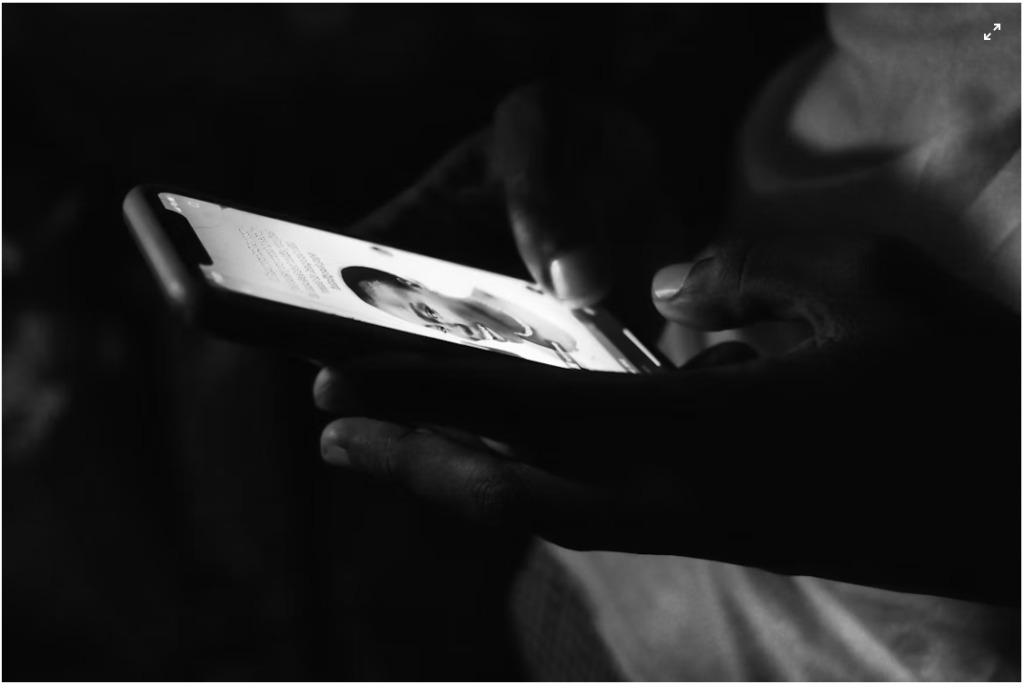
News in the palm of a hand: Digital platforms are increasingly shaping how Freetown residents access, share and engage with information.
Different Generations, Different News Habits
The digital transition is not happening uniformly across generations.
Gen Z and Millennials are significantly more likely to consume news through Facebook and TikTok, while Gen X and Baby Boomers continue to rely more heavily on radio.
The findings also show a gender difference in news consumption. Women are more likely to rely on Facebook, TikTok and friends or family, while men remain more likely to rely on radio.
These differences matter for anyone trying to communicate effectively with Freetown’s population.
Is the Newspaper Losing Its Place?
The decline of newspapers is particularly striking.
More than 95% of respondents do not depend on newspapers for news, suggesting that print newspapers have lost much of their position as a daily news source.
For newspaper organizations, the implication is clear: maintaining relevance increasingly requires a stronger digital presence and distribution strategy.
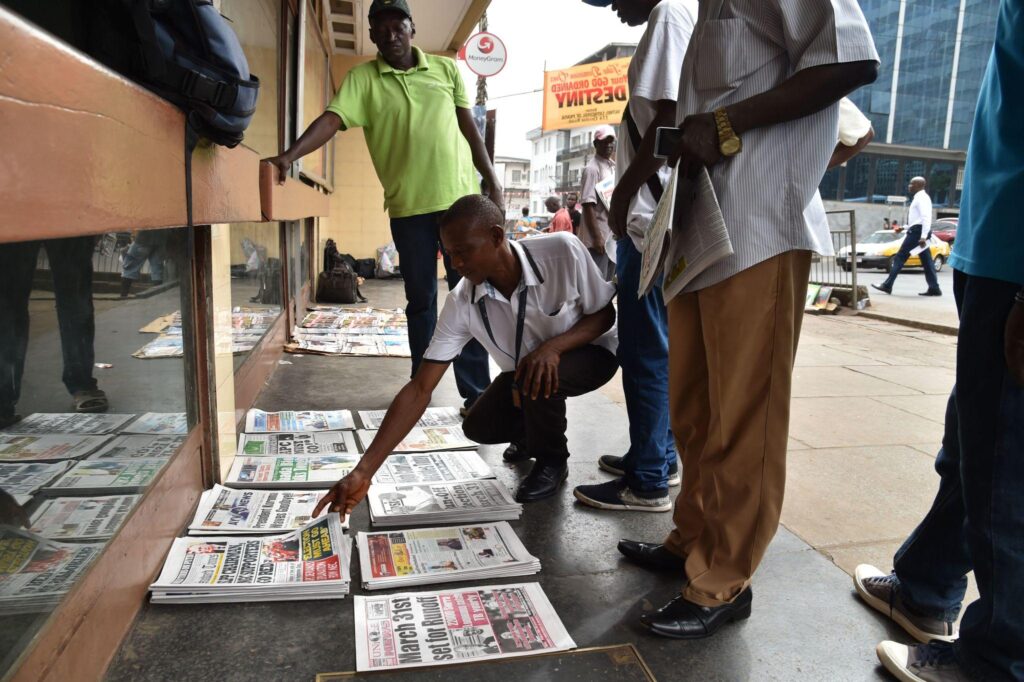
Traditional media in transition: Newspaper vendors continue to serve Freetown readers as print media faces growing competition from digital platforms.
Radio Still Has a Loyal Audience
Although radio’s overall dominance has declined, it remains an important and trusted medium.
Radio Democracy leads among the radio stations identified by respondents, followed by SLBC, while AYV Radio and other stations maintain smaller shares.
Radio therefore remains particularly relevant among older audiences and communities that may have lower levels of digital access.

Photo: Radio Democracy 98.1 FM. Featured in Citizens Lens’ research publication, “Freetown Has Gone Digital: How Freetownians Are Getting Their News in 2026.”
The Digital Divide Is Also a News Divide
The transition to digital news does not mean everyone is equally connected.
The survey found that 12% of respondents do not regularly follow the news. Millennials and Gen Z make up a substantial proportion of this disengaged group.
This raises an important question: as more information moves online, what happens to people who are disconnected from both traditional and digital news channels?
The issue is not simply technological access. It also involves digital literacy, trust, affordability and the ability to distinguish reliable information from misinformation and disinformation.
What Freetown’s Digital Shift Means for Sierra Leone
Freetown’s transformation may be an early indication of where the country’s wider information landscape is heading.
As internet access expands and digital platforms become more influential, the communication environment outside Freetown is likely to evolve as well.
For policymakers, this means public information must increasingly go where citizens are — including Facebook, TikTok and WhatsApp.
For businesses and media houses, it means audience strategies need to reflect the different ways different generations consume information.
And for citizens, the shift makes digital and media literacy increasingly important.

Freetown’s changing information landscape: The city’s growing connectivity is reshaping how residents access news and information.
What Should Be Done?
The Citizens Lens findings point to several practical priorities:
- Journalists and media outlets must adapt. The future audience is increasingly online, and media organizations that fail to adapt risk losing relevance.
- Public communication should become digital-first. Government institutions and businesses should build communication strategies around the platforms their target audiences actually use.
- Digital and media literacy should be strengthened. Citizens need the skills to assess information, identify misinformation and understand how algorithms influence what they see.
- Advertising should follow audience behaviour. Businesses should plan channel mixes around age, gender and actual media consumption patterns rather than relying on traditional advertising habits.
- The disengaged audience should not be forgotten. The 12% who do not regularly follow the news represent an important audience that requires different approaches to information and engagement.
Contributors
- Joel Abdulai Kallon — Technical Lead
- Harry Henry Kargbo — Data Management
- Haja Binta Bah — Data Cleaning
- Sorie Alfred Dumbuya — Data Review & Editing
- Musa Mansaray — Graphics Design & Data Visualization
- Tracy Jac-During — Data Storytelling & Dissemination
Publication date: 17 July 2026
Download the full OneField – Citizens Lens publication Here.